Yes To the Treatment They Need
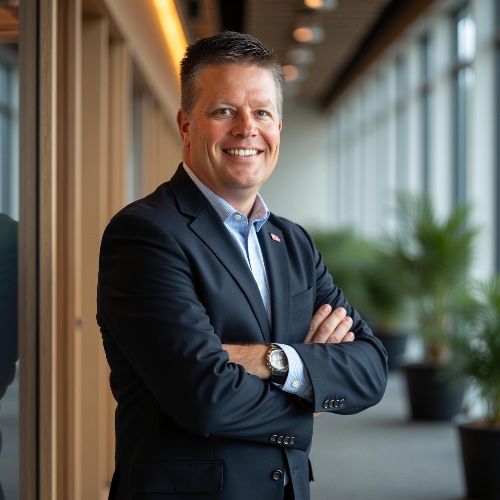
In today's podcast, Phil Cole, CEO of KLAS Solutions, discusses the critical importance of case acceptance in dental practices. We dive into the financial implications of patient treatment refusals result in significant losses, as the expenses incurred prior to a patient's decision to decline treatment remain with the practice while the anticipated revenue dissipates. By emphasizing that case acceptance is fundamentally a communication issue rather than a mere financial one, we argue that enhancing understanding and urgency among patients can improve acceptance rates. Ultimately, this episode aims to equip dental professionals with actionable strategies to maximize the acceptance of treatment plans already established within their practice.
Takeaways from today's episode:
- The practice of case acceptance is critical, as it directly influences the financial viability of a dental practice.
- Patients often decline treatment not due to cost, but rather due to misunderstanding or lack of urgency regarding their dental needs.
- Effective communication and the use of visual aids can significantly enhance patient understanding and acceptance of proposed dental treatments.
- Scheduling accepted treatment immediately is essential, as this prevents the likelihood of a patient changing their mind before actual treatment occurs.
To learn more about KLAS Solutions, visit www.klassolutions.com!
Transcript
You do the exam, you find the work that needs to be done, you explain it, and the patient says, let me think about it.
Speaker A:Then they walk out and you never see the treatment again.
Speaker A:Here's what that costs.
Speaker A:You already paid for everything up to that.
Speaker A:Yes.
Speaker A:The diagnosis, the chair time, the X rays, the doctor's expertise.
Speaker A:When the patient declines, all of that cost stays and the revenue disappears.
Speaker A:This is the most expensive no in dentistry.
Speaker A:This is the Dental Business podcast.
Speaker A:I'm Phil Cole, and today I am going to be talking to you about the one number I would move first if I could only move one, and that is case acceptance.
Speaker A:Here is why it sits at the top of my list.
Speaker A:The treatment already exists.
Speaker A:You do not have to find a new patient or diagnose new work.
Speaker A:The production is already sitting in your treatment plans.
Speaker A:Case acceptance is just deciding how much of it actually happens.
Speaker A:Dollar for dollar.
Speaker A:Nothing else in the practice pays like it.
Speaker A:So let's get into it.
Speaker A:Let's kill a myth first.
Speaker A:And that is owners tell patients tell me patients decline because of the money.
Speaker A:So is that true?
Speaker A:Well, I'm going to tell you rarely.
Speaker A:Money is the answer patients give because it's the polite.
Speaker A:And typically it usually just ends the conversation.
Speaker A:The real reasons are usually three of what we find.
Speaker A:They did not understand why they need it.
Speaker A:They did not feel any urgency from you, or they did not trust that they needed it as much as what you said they need it.
Speaker A:So in my opinion, fix those three and the money conversation gets a lot easier because now they want it.
Speaker A:So it's a communication problem more than a price problem.
Speaker A:Almost always a patient will find money for something they believe that they need.
Speaker A:We see it many, many times.
Speaker A:They will not spend a dollar on something that they're not sure about.
Speaker A:Our job is not to sell them harder.
Speaker A:It is to help them, though, try to understand their own mouth when they see it, when they get why it matters and what happens if they wait.
Speaker A:Acceptance takes care of itself.
Speaker A:So here's where practices lose it.
Speaker A:The doctor explains treatment in doctor language, fast and on the way out of the room.
Speaker A:And the patient nods because they do not want to look confused or that they don't know what he just said.
Speaker A:A nod is not a yes, though.
Speaker A:That patient is going home to decide about something that they don't even actually understand.
Speaker A:So what does a strong presentation look like?
Speaker B:Show.
Speaker A:Do not just tell.
Speaker A:That's what I always insist on.
Speaker A:Use the interoral photo, use the X rays, let them see their own tooth on the screen.
Speaker A:People believe what they can see about themselves, then explain in plain language what it is, why it happened, what happens if we treat it and what happens if we wait.
Speaker A:That last part matters.
Speaker A:Patients need to understand the cost of doing nothing because doing nothing feels free, but it's not.
Speaker A:Then you hand off cleanly to the team member who handles the financial side.
Speaker A:So the doctor stays the clinician and someone else owns the money conversation.
Speaker A:When the doctor tries to be the dentist and the finance person at the same time.
Speaker A:I'm just telling you, both jobs suffer and the financial conversation, well, it's its own skill and I will say it's a huge one.
Speaker A:Presenting a number and going quiet, loses cases, presenting options, payment arrangements, what fits their situation, that converts.
Speaker A:We measure financial arrangement conversions as its own number because a a great clinical presentation followed by a weak money conversation, well, it's gonna still end up in a big fat no.
Speaker A:Say the patient is in.
Speaker A:How do you keep that yes from evaporating in the parking lot though?
Speaker A:Well, you should schedule it now.
Speaker A:Same principle as.
Speaker A:Recall that we talked about.
Speaker A:A yes that walks out unscheduled is technically a maybe and a maybe becomes a no over the weekend.
Speaker A:The best practices do same day treatment when the schedule allows for it.
Speaker A:If they said yes and there is time today, do it today.
Speaker A:That number same day treatment percentage is one of the fastest ways to lift production for anything.
Speaker A:You can't do the same day.
Speaker A:It gets scheduled before they leave with the financial arrangement already locked in.
Speaker A:Unscheduled accepted treatment is one of the biggest hidden reservoirs of production in a practice.
Speaker A:Patient said yes and then nobody booked it.
Speaker A:You pull that report and it is often six figures of work sitting in limbo.
Speaker A:So there is production hiding in cases that were already accepted and it's constant.
Speaker A:Before we even work on getting more yeses, we go capture those yeses you already have.
Speaker A:It's the fastest money in the building.
Speaker A:How does an owner watch this move?
Speaker A:Well, case acceptance percentage front and center treatment presented against treatment accepted, same day treatment percentage and then unscheduled accepted treatment dollars so that you can see the reservoir and drain it.
Speaker A:When we coach case acceptance, we work these on our dashboard every month.
Speaker A:10 Point lift in acceptance on a practice that is diagnosing well is a life changing amount of production and it costs you nothing to produce because the work was already there.
Speaker A:So let's pull it together into something you can actually do this week.
Speaker A:Case acceptance does not improve because you decided to try harder.
Speaker A:It improves because you change specific moments in a patient's visit and then you measure whether the change is working.
Speaker A:Start with one thing, not 10.
Speaker A:And if I had to pick I would go pull your unscheduled accepted treatment first because that is money patients already said yes to get those people booked.
Speaker A:Then look at how treatment is being presented.
Speaker A:Are you shown photos?
Speaker A:Are you explaining the cost of waiting in plain language?
Speaker A:Is there a clean handoff to the financial conversation?
Speaker A:Or is the doctor still trying to do both jobs at once?
Speaker A:And whatever you work on, watch the numbers so you know it is real.
Speaker A:Case acceptance percentage, treatment percentage against treatment accepted same day treatment percentage and unscheduled accepted treatment dollars.
Speaker A:Pick the one that matters most to your practice right now and just track it monthly.
Speaker A:A 10 point lift in acceptance on the practice that is diagnosing well is like I said before, a life changing amount of production and it costs you nothing to produce because the work was already there.
Speaker A:And I'm telling you most of the time, if not almost all of the time, it is six digit numbers.
Speaker A:That's the show.
Speaker A:If it helped you think differently about the yeses already sitting in your practice, share it with one of your owners, your friends and we'll see you next.
Speaker B:Sam.